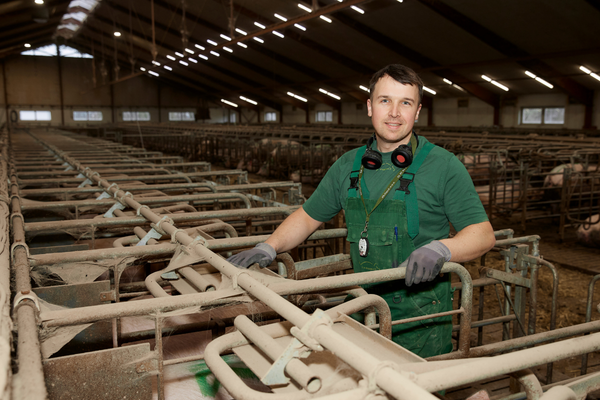
International traineeships should begin with preparation, clear expectations, and a shared understanding of responsibilities. At Elmia Lantbruk 2026 in Sweden, Bixter connected with agricultural professionals and discussed what matters most when welcoming international trainees to Swedish farms.
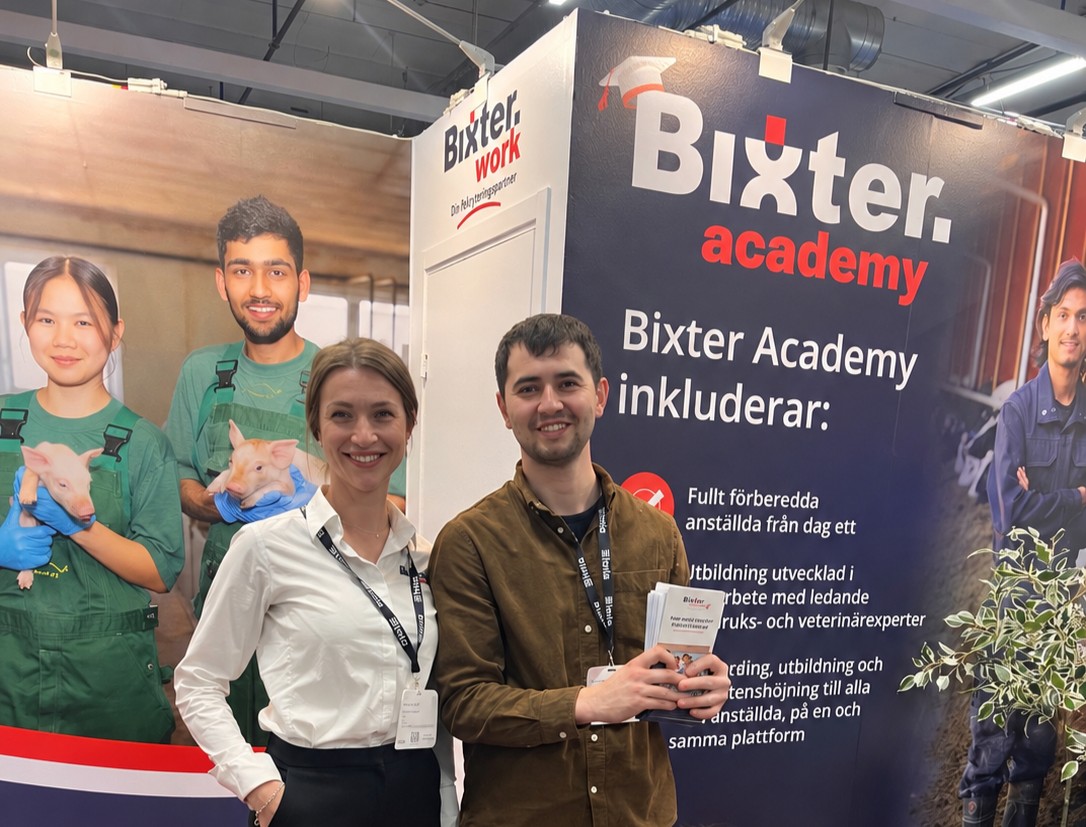
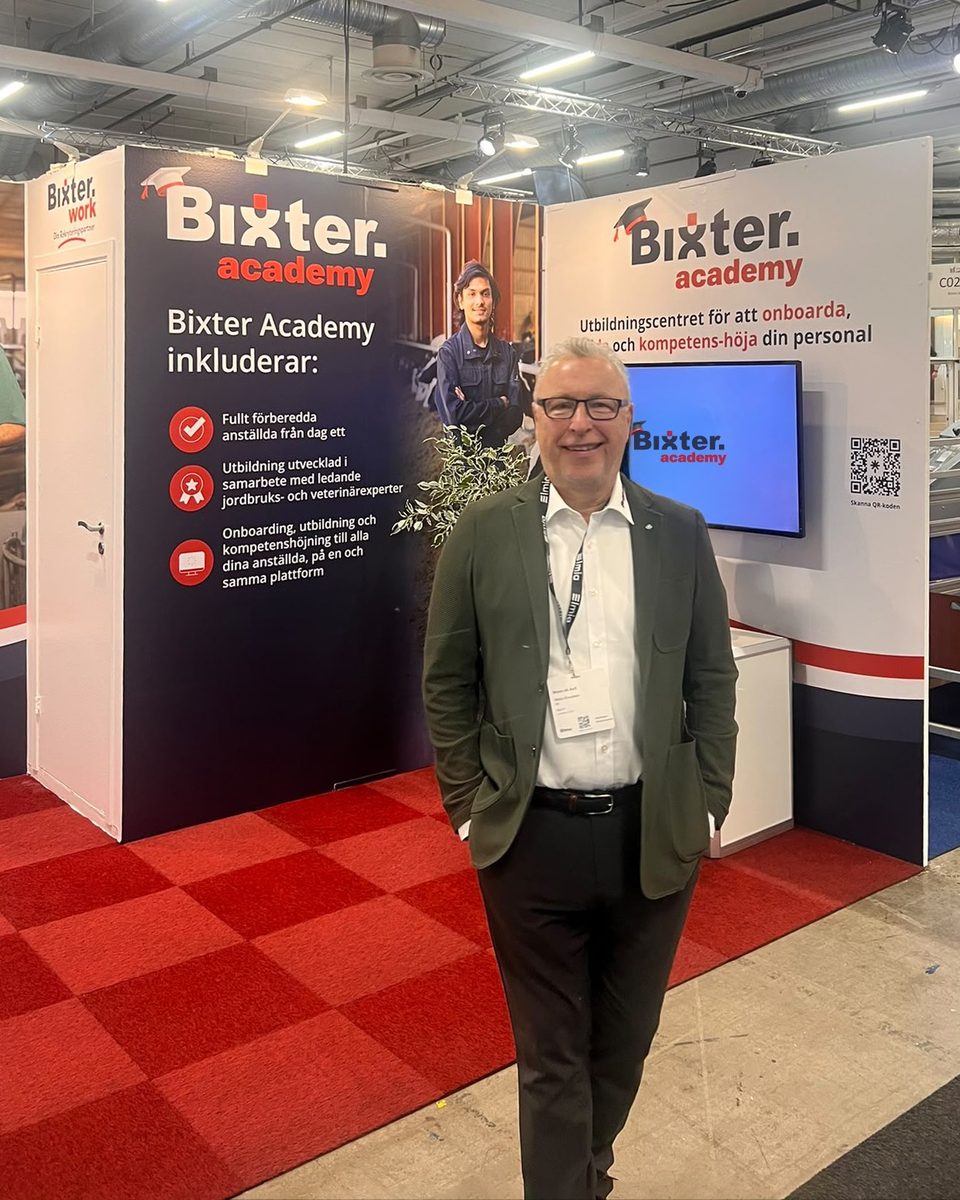
Participating in Elmia Lantbruk 2026 gave Bixter the opportunity to meet livestock farmers, industry representatives, and agricultural professionals. The conversations highlighted an important point: successful international traineeship programs require more than connecting a student with a host farm.
For students arriving in a new country, understanding local agricultural practices, cultural expectations, and their rights and responsibilities can make a significant difference.
For host farms, having clear expectations and understanding their own obligations are equally important.
Here are four key insights from the event and how Bixter is addressing them through its structured traineeship programs and Bixter Academy.
1. Practical preparation matters before arrival
Swedish livestock farms operate according to established agricultural standards, animal welfare requirements, and daily routines.
International students may have relevant academic knowledge but limited familiarity with Swedish farming practices. Even students with practical experience may need guidance on the specific standards followed in Sweden.
Understanding these expectations before arrival helps trainees approach their practical learning experience with greater confidence.
Through Bixter Academy, students can access educational resources designed to introduce relevant agricultural practices and prepare them for their traineeship experience.
The objective is to help trainees arrive with a better understanding of the environment they are entering, rather than discovering every requirement on their first day.
2. Understanding the country is just as important as understanding the farm
Moving to Sweden for a traineeship involves adapting to more than a new agricultural environment.
Students also encounter different cultural expectations, communication styles, regulations, and everyday routines.
These differences can create uncertainty when trainees are unfamiliar with local practices or do not fully understand what is expected of them.
Bixter addresses this challenge through pre-arrival webinars, cultural awareness education, and informative sessions covering important aspects of living and participating in a traineeship in Sweden.
These sessions focus on helping students understand:
- Swedish culture and communication: Everyday expectations, communication styles, and cultural differences.
- Local rules and regulations: Important requirements relevant to their stay and traineeship.
- Rights and responsibilities: What trainees should understand about their rights and obligations.
- Agricultural standards: An introduction to relevant farm routines, safety, and animal welfare practices.
- Practical adaptation: Information that can help students navigate their new environment.
This preparation cannot replace the guidance provided by the host farm, but it can establish a stronger foundation before the traineeship begins.
3. Trust begins with transparency and clear expectations
Another important topic raised at Elmia Lantbruk was the value of knowing who will be joining a farm and understanding the purpose of their participation.
For host farms, trust depends on clear information about the student, their educational background, and the structure of the traineeship.
For students, trust means knowing what their program involves, what they are expected to learn, and which conditions apply to their stay.
A traineeship is an educational experience, not a substitute for a regular professional position.
Bixter’s international traineeship programs are intended for students who are currently enrolled at accredited educational institutions in relevant fields, such as Animal Science, Animal Husbandry, Veterinary Science, or other agriculture-related programs.
The purpose is to connect academic education with supervised practical experience in a relevant agricultural environment.
Clear communication about eligibility, educational objectives, program conditions, and responsibilities helps both students and host farms establish realistic expectations.
4. Responsibilities exist on both sides
A successful traineeship depends on the commitment of both the student and the host farm.
Students are expected to respect local rules, follow safety instructions, participate in their learning activities, and understand their responsibilities throughout the program.
Host farms also have important obligations.
They must follow applicable Swedish regulations, provide appropriate conditions, communicate expectations clearly, and ensure that the traineeship supports its intended educational purpose.
Preparation is a shared responsibility.
Bixter supports this approach by emphasizing transparent program information, student preparation, and awareness of the standards that apply to international traineeships.
The goal is to encourage responsible participation and create an environment where students can gain meaningful practical experience while host farms understand their role in supporting that learning process.
How Bixter Academy supports international traineeship preparation
Bixter’s approach extends beyond arranging international traineeship placements.
Through Bixter Academy, the company adds an educational component to the international traineeship experience before they step on the farm.
Bixter Academy provides structured online learning designed to help participants understand safety and biosecurity routines, cultural differences, and important expectations before arriving in their destination country.
Its educational approach includes CPD-certified agricultural-specific learning materials developed with agricultural and veterinary specialists, alongside cultural awareness resources and preparatory sessions.
For students preparing for Sweden, Bixter also organizes webinars and information sessions covering relevant local standards, rights, rules, and responsibilities.
By combining international traineeship coordination with structured preparation, Bixter aims to reduce uncertainty and support a more informed transition for both trainees and host farms.
The objective is not to suggest that students will know everything before arriving. It is to give them a stronger starting point and help them understand what they still need to learn.
Building trust through responsible international traineeships
The conversations at Elmia Lantbruk 2026 reinforced a central principle behind Bixter’s approach: international traineeships should be built on education, preparation, and mutual understanding.
For students, this means opportunities to apply their academic knowledge, develop practical skills, and experience European agricultural practices.
For host farms, it means participating in structured programs with clearer expectations and greater awareness of the educational purpose.
Bixter remains committed to supporting international traineeship pathways that prioritize transparency, preparation, and responsible participation.
Interested in learning more about Bixter’s international traineeship programs or the preparation provided through Bixter Academy?
Contact us anytime by phone or through our contact form.